Ozempic and other GLP-1 weight-loss drugs are a covert tool for mass sterilization and depopulation
By Colin PetersonJuly 12, 2026
Where the evidence lands: Contradicted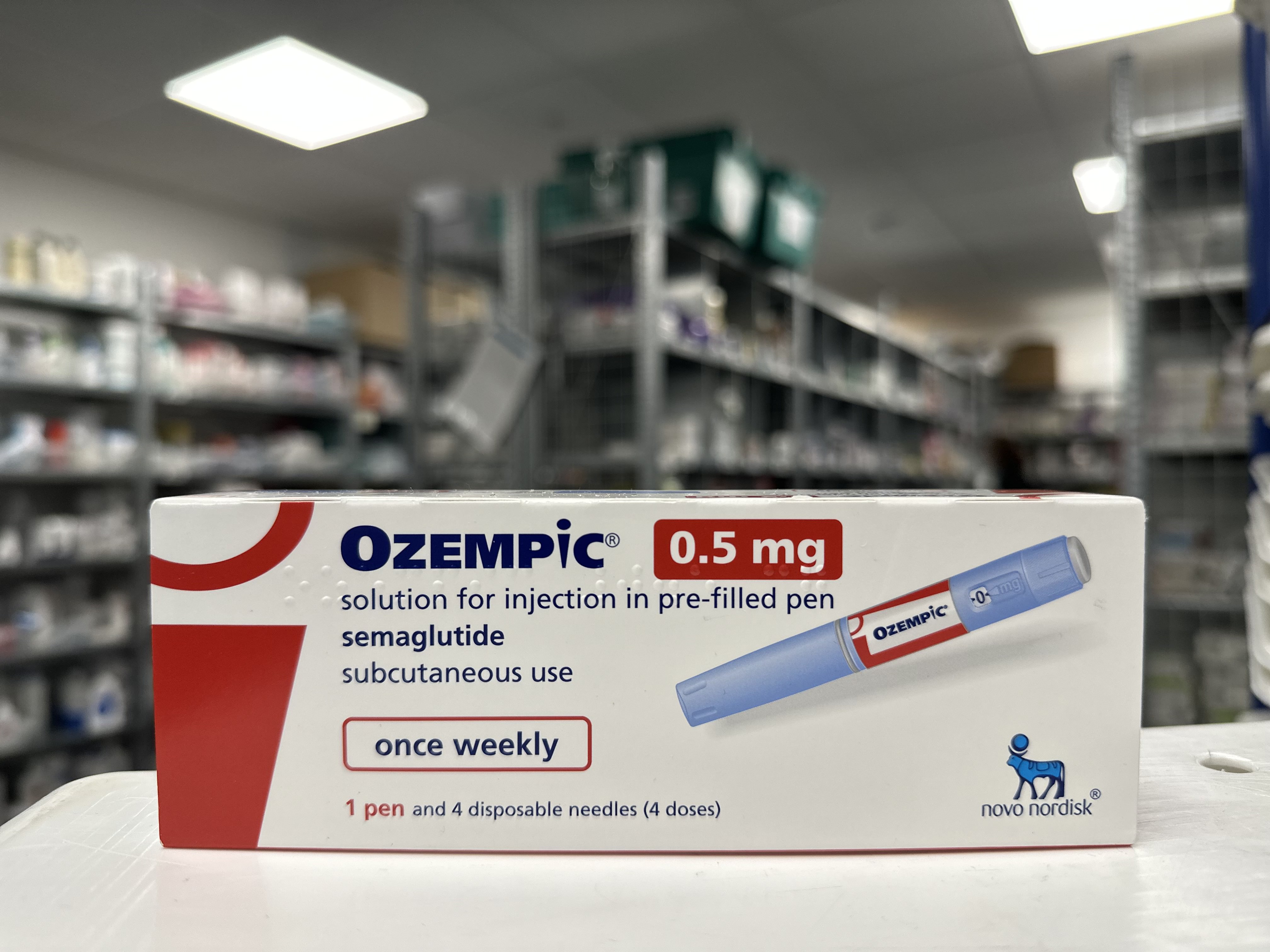
That semaglutide (Ozempic, Wegovy) and tirzepatide (Mounjaro, Zepbound), and GLP-1 receptor agonists generally, were designed and deployed not to treat diabetes and obesity but as a hidden tool of eugenics and depopulation: that they secretly sterilize users, damage fertility, or are otherwise engineered to shrink the human population, with drugmakers and regulators knowingly concealing the true purpose.
Contradicted. The kernel is a mix of real things: GLP-1 drugs were adopted with startling speed, they carry real and documented side effects, and their labels do caution against use in pregnancy. Distrust of the pharmaceutical industry is not irrational. But the specific claim rated here, that semaglutide and tirzepatide are a deliberate scheme to sterilize the population and drive down birth rates, is unsupported by any evidence and cuts against what the data actually show. The drugs are FDA-approved prescription products under continuous safety monitoring; the pregnancy caution is a standard precaution, not a hidden mechanism; and the most-reported fertility surprise linked to these drugs is unexpected pregnancy, the opposite of sterilization. This file weighs the depopulation claim, not the ordinary medical debate about who should take these drugs and for how long.
Believed by: An online audience spanning anti-pharmaceutical and 'depopulation'/'Great Reset' communities, some wellness and anti-diet circles, and a broader public unsettled by how fast the drugs were adopted
The full story
From diabetes drug to boogeyman
In the space of a few years, a once-weekly injection developed for type 2 diabetes became one of the most discussed medicines on Earth. Ozempic, its higher-dose sibling Wegovy, and the tirzepatide brands Mounjaro and Zepbound moved from pharmacy counters to magazine covers to dinner-table conversation, and survey data now put current GLP-1 use at roughly one in eight American adults. Few drugs have ever been adopted so quickly or discussed so loudly.
That much is real, and it is the solid ground the theory is built on. So are the side effects, which are documented on the labels and tracked by regulators, and so is the caution the labels give about using the drugs during pregnancy. None of those facts is hidden, and a fair account has to start by granting them.
From that real foundation grows a far larger claim: that these are not medicines at all but a covert instrument of mass sterilization and depopulation, quietly engineered to shrink the human population while drugmakers and regulators conceal the true purpose. The speed of the rollout is documented. The side effects are documented. The depopulation scheme is the part that has to be examined, and it is the only part this file rates.
Why the story finds an audience
Steelman it honestly, because the ingredients are not invented. The adoption curve genuinely was startling: a drug class that barely registered with the public in 2019 was, by the mid-2020s, something a large share of adults had taken or considered. When a product spreads that fast and that far, it can feel less like a market and more like a program, and that instinct is not stupid.
Distrust of the drug industry, too, is earned rather than paranoid. The opioid epidemic showed, in court and in the public record, that manufacturers could minimize known harms in pursuit of sales. A public that lived through that has good reason to ask hard questions of any blockbuster medicine, and asking them is healthy.
The drugs even hand the theory concrete details to point at. The labels carry a boxed warning about thyroid tumors seen in rodents, warnings about pancreatitis and gallbladder disease, and, most usable of all for the claim, explicit guidance against use in pregnancy. Pulled out of context, each true fact can be waved as proof. If you already suspect that powerful institutions manage the population quietly, a medicine taken by tens of millions, carrying real risks and a pregnancy warning, looks like exactly the tool you were expecting to find.
The speed was real, the side effects are real, and the pregnancy caution is real. The leap is in reading those true facts as a confession of intent.
None of that, on its own, is a conspiracy theory. It is a fair account of why one takes root here so easily. The distance from “a hugely popular drug with real risks” to “a secret plan to sterilize us” feels short, precisely because the first half is true.
What the evidence actually shows
The gap between those real facts and the depopulation claim is where the theory runs out of evidence, and the fertility angle is where it breaks most clearly. If these drugs sterilized people, the signal would show up as infertility. Instead, the most widely reported fertility surprise tied to them runs the other way: the pattern nicknamed “Ozempic babies” describes unexpected pregnancies among users.
There are ordinary explanations for that, and they are the opposite of a sterilization plot. Substantial weight loss can restart ovulation in people whose cycles had become irregular or stopped, which is common in conditions like PCOS. And the tirzepatide labels specifically caution that the drug may reduce the effectiveness of oral contraceptives, an interaction that would increase the chance of pregnancy. A medicine associated with more surprise pregnancies is simply not the profile of a covert sterility program.
The pregnancy warning the theory leans on says something narrower than the claim needs. The labels advise against use in pregnancy mainly because animal reproduction studies flagged potential fetal risk and because intentional weight loss offers no benefit to a pregnant patient, with a recommended pause before a planned pregnancy given how long the drug lingers in the body. Novo Nordisk also runs an FDA pregnancy exposure registry to collect real-world outcomes. That is cautious, monitored, ordinary labeling, the same kind many drugs carry. It is a precaution on the record, not a hidden mechanism.
The fertility signal most associated with these drugs is unexpected pregnancy, not sterility. That is close to the opposite of what the theory predicts.
The side effects cut against the story for the same reason. They are real, and some are serious, but they are disclosed: printed on the label, required by regulators, and tracked through post-market surveillance. A covert scheme to harm people does not begin by publishing the harms and inviting agencies to monitor them. Documented, labeled, watched side effects are how a normal medicine under oversight behaves.
The demographic framing fails on timing. Birth rates across the United States, Europe, and East Asia have been falling for decades, long before any GLP-1 drug existed, driven by well-studied shifts in the economics of family life, the age of marriage, education, and social norms. A decline that began a generation before the drug cannot have been caused by it. Lining up a recent medicine with a long-run trend is a coincidence of dates dressed up as a mechanism.
And the drugs themselves have an unglamorous, public origin. The GLP-1 class was built on decades of openly published hormone research, with the first agent, derived from a compound found in Gila monster saliva, approved back in 2005. Each brand cleared the FDA's public review with trial data on file and is dispensed by prescription. A depopulation conspiracy conducted through peer-reviewed journals, public approvals, and quarterly earnings would be a remarkably poor way to keep a secret.
Why it persists, and a trope to reject
The theory travels because it starts from something true and answers a real unease: what does it mean that so many people, so fast, are taking a powerful new drug we do not yet have decades of data on? That is a fair thing to sit with. The trouble comes when the unease is handed a ready-made villain.
It endures partly because distrust of the drug industry is legitimate and transferable. Having seen manufacturers downplay harm before, people extend the suspicion to the next blockbuster, and the extension feels like pattern recognition rather than a leap. The real side effects and pregnancy cautions then supply an endless stock of true details to be quoted out of context.
One strand has to be named and rejected rather than waved past. The “covert depopulation” frame is not new to these drugs. It is a long-running trope, attached over the years to vaccines, fluoride, and food, about hidden elites secretly culling the population, and it simply migrated onto the newest mass-market medicine. Grafting that pre-existing narrative onto Ozempic adds no evidence; it only gives an old story a fresh face. Recognizing the trope is part of reading the claim honestly.
It is worth separating that from a different argument that shares some vocabulary. A number of anti-diet and fat-liberation writers criticized the drugs' rise as a kind of “eugenics” against fat people, meaning a cultural war on body size and a deepening of anti-fat bias. That is a debatable social critique about stigma and beauty norms, not a claim that the pills sterilize anyone. The two get blurred because they share a loaded word, but only the literal depopulation version is rated here, and it is the one the evidence does not support.
Which points to the distinction that matters most. There are real, worthwhile questions about these drugs: their long-term effects, who should take them and for how long, muscle loss, weight regain after stopping, cost and access, and the risks of counterfeit and unregulated supply. Those deserve a serious hearing on their own terms. They are not the depopulation theory, and dressing them up as proof of a sterilization plot does the real questions a disservice.
A medicine, not a plot
On the specific claim, that GLP-1 weight-loss drugs are a covert tool for mass sterilization and depopulation, the rating is Contradicted. Not because every worry about these fast-moving drugs is foolish, but because the depopulation mechanism the theory requires is absent and, on the fertility question, the evidence points the opposite way.
The honest position holds two things at once. Real, legitimate questions about these medicines exist and deserve attention: long-term safety is still being mapped, appropriate use is debated, and distrust rooted in past pharmaceutical scandals is understandable. And the depopulation claim is not one of those questions. The drugs were developed openly and approved publicly; their side effects are disclosed and monitored; the pregnancy caution is a standard precaution rather than a hidden weapon; the fertility pattern most tied to them is unexpected pregnancy, not sterility; and the birth-rate declines the theory points to began decades before the drugs arrived. This file gives no medical advice and takes no view on whether any individual should use these drugs. It weighs one claim, and finds that the evidence does not carry it.
What's still unexplained
- Long-term safety data are still accumulating. These drugs are new to mass, sustained use in people without diabetes, and while trials and post-market surveillance are extensive, the multi-decade picture of taking them for years is genuinely still being built. That is an ordinary limit of new medicines, not evidence of a hidden purpose.
- The full picture of GLP-1 effects around fertility, contraception, and pregnancy is not yet complete. The contraceptive-interaction and pregnancy-registry work is ongoing, and clinicians are still characterizing outcomes; these are legitimate medical questions that stand entirely apart from, and do not support, the depopulation claim.
- Appropriate use is unsettled: who should take these drugs, at what body weight, for how long, and what happens to weight and muscle after stopping are real clinical debates. None of that speaks to intent to harm; it is the normal work of fitting a powerful new tool to the right patients.
- Access, cost, and off-label and compounded supply raise real policy and safety concerns, including counterfeit products sold outside the regulated system. Those risks are worth taking seriously on their own terms, separate from any conspiracy about population.
Point by point
The claim: The drugs are secretly engineered to sterilize users, so mass adoption will crater the birth rate.
What the record shows: No evidence supports a sterilization mechanism, and the best-known fertility signal points the other way. The phenomenon widely dubbed 'Ozempic babies' describes unexpected pregnancies among users, not infertility. There are plausible, mundane reasons: substantial weight loss can restore ovulation in people whose cycles had stopped, including many with PCOS, and the tirzepatide labels specifically warn that the drug may reduce the effectiveness of oral contraceptives, which would raise the chance of pregnancy, not lower it. A drug that is associated with more surprise pregnancies is a poor candidate for a covert sterilization program.
The claim: Something rolled out this fast, to this many people, must have a hidden agenda behind it.
What the record shows: Speed is not secrecy. The GLP-1 class grew out of decades of published endocrinology, starting with the incretin hormones and the first approval in 2005, and each brand cleared the FDA's public review process with trial data on file. These are prescription drugs, dispensed by clinicians and monitored after approval through pharmacovigilance systems. The rollout was fast because the drugs worked for their approved uses and demand was enormous, not because a purpose was being concealed. A genuine depopulation plot run through the world's most scrutinized drug-approval system and quarterly earnings calls would be a strange plot indeed.
The claim: The real, sometimes serious side effects prove the drugs are toxic by design.
What the record shows: The side effects are real, but they are disclosed, not hidden, which is the opposite of what a covert scheme would do. The labels document common gastrointestinal effects like nausea and vomiting, warnings about pancreatitis and gallbladder problems, and a boxed warning about thyroid C-cell tumors seen in rodents. Regulators require those disclosures and track adverse events over time. Documented, labeled, monitored side effects are how ordinary medicines are supposed to work; they are evidence of oversight, not of a plan to harm.
The claim: The pregnancy warnings on the label prove the makers know the drugs harm fetuses and are using that to cut births.
What the record shows: The pregnancy caution is a standard precaution, and its reasoning is public. The labels advise against use in pregnancy chiefly because animal reproduction studies flagged potential fetal risk and because deliberate weight loss offers no benefit during pregnancy, with a recommended washout before a planned pregnancy given the drug's long half-life. Novo Nordisk also runs an FDA pregnancy exposure registry to gather real-world outcome data. Cautious labeling and active monitoring are ordinary regulatory practice for many drugs; reading them as a confession of a sterilization plot inverts what they actually say.
The claim: Falling birth rates line up with the arrival of these drugs, which shows the depopulation effect at work.
What the record shows: The timing does not fit. Birth rates across the United States, Europe, and East Asia have been declining for decades, long before any GLP-1 drug existed, driven by well-studied social and economic factors: later marriage, the cost of raising children, expanded education and careers, and changing family norms. A trend that predates a drug by a generation cannot have been caused by it. Blaming a recent medicine for a long-running demographic shift confuses a coincidence of dates for a mechanism.
Timeline
- 2005The FDA approves exenatide (Byetta), the first GLP-1 receptor agonist, derived from a compound first identified in the saliva of the Gila monster. It is the public start of a drug class built on decades of openly published hormone research, long before any weight-loss craze.
- 2017-12The FDA approves semaglutide as Ozempic for type 2 diabetes. It is a once-weekly injection in the same GLP-1 class, and its effect on appetite and weight quickly draws attention beyond diabetes care.
- 2021-06The FDA approves semaglutide at a higher dose as Wegovy for chronic weight management, the first new obesity drug of its kind approved since 2014. Demand outstrips supply, and off-label use of Ozempic for weight loss spreads.
- 2022-05Tirzepatide is approved as Mounjaro for type 2 diabetes, a dual GLP-1 and GIP receptor agonist. Celebrity and social-media attention turns the whole drug class into a cultural phenomenon through 2022 and 2023.
- 2023-11The FDA approves tirzepatide as Zepbound for chronic weight management. With four blockbuster brands now on the market, use climbs steeply, and public conversation shifts from novelty to unease about long-term effects and appropriate use.
- 2023–2024As adoption surges, a depopulation narrative takes hold online: posts and videos recast the drugs as a covert sterilization or eugenics program, grafting the old 'globalist depopulation agenda' trope onto the newest mass-market medicine. Separately, reports of 'Ozempic babies', unexpected pregnancies among users, begin circulating, complicating the sterility claim.
- 2025Survey data show GLP-1 use reaching new highs, with roughly one in eight U.S. adults reporting current use for weight loss, diabetes, or another condition. The scale of the rollout keeps the depopulation claim in wide circulation even as fact-checkers and clinicians push back.
From the case file
The actual records: declassified, released, or leaked. We link straight to each document in its official archive, so you never have to take our word for it. Read the originals yourself.
WEGOVY (semaglutide) injection: Highlights of Prescribing Information
The official FDA prescribing information for Wegovy (semaglutide 2.4 mg), the higher-dose semaglutide approved in 2021 for chronic weight management, the first new obesity drug of its type since 2014. Its approved indication, disclosed side effects, boxed warning and pregnancy guidance are all public, the opposite of a concealed program.
Read the document: FDA (Drugs@FDA / accessdata) →ZEPBOUND (tirzepatide) injection: Highlights of Prescribing Information
The official FDA prescribing information for Zepbound (tirzepatide), the second major GLP-1-based weight drug, approved in November 2023. Like Wegovy it cleared the FDA's open review, and its risks and contraindications are disclosed on the public label rather than hidden.
Read the document: FDA (Drugs@FDA / accessdata) →OZEMPIC (semaglutide) injection: Highlights of Prescribing Information
The official FDA prescribing information for Ozempic. It sets out the approved indication, the disclosed side effects and boxed warning, and the pregnancy guidance, the very details the conspiracy quotes out of context, in their actual regulatory form.
Read the document: FDA (Drugs@FDA / accessdata) →GLP-1 Injectable Use Among Adults With Diagnosed Diabetes (NCHS Data Brief No. 537)
A CDC data brief measuring how widely GLP-1 injectables are used, documenting the real scale of adoption that gives the depopulation narrative its sense of scale, from an official public-health source.
Read the document: CDC / National Center for Health Statistics →Other case files that cite the same sources
Contradicted. The kernel is a mix of real things: GLP-1 drugs were adopted with startling speed, they carry real and documented side effects, and their labels do caution against use in pregnancy. Distrust of the pharmaceutical industry is not irrational. But the specific claim rated here, that semaglutide and tirzepatide are a deliberate scheme to sterilize the population and drive down birth rates, is unsupported by any evidence and cuts against what the data actually show. The drugs are FDA-approved prescription products under continuous safety monitoring; the pregnancy caution is a standard precaution, not a hidden mechanism; and the most-reported fertility surprise linked to these drugs is unexpected pregnancy, the opposite of sterilization. This file weighs the depopulation claim, not the ordinary medical debate about who should take these drugs and for how long.
Reviewed by Colin Peterson · Last reviewed July 12, 2026 · How we rate
Common questions
Is Ozempic depopulation panic true?
Contradicted. The kernel is a mix of real things: GLP-1 drugs were adopted with startling speed, they carry real and documented side effects, and their labels do caution against use in pregnancy. Distrust of the pharmaceutical industry is not irrational. But the specific claim rated here, that semaglutide and tirzepatide are a deliberate scheme to sterilize the population and drive down birth rates, is unsupported by any evidence and cuts against what the data actually show. The drugs are FDA-approved prescription products under continuous safety monitoring; the pregnancy caution is a standard precaution, not a hidden mechanism; and the most-reported fertility surprise linked to these drugs is unexpected pregnancy, the opposite of sterilization. This file weighs the depopulation claim, not the ordinary medical debate about who should take these drugs and for how long.
What is Ozempic depopulation panic?
In a few short years, drugs first developed for type 2 diabetes became the most talked-about medicines in the world, taken by more than one in ten American adults. That speed, layered on real side effects and genuine distrust of the drug industry, gave rise to a darker story: that Ozempic and the other GLP-1 weight-loss drugs are not med…
What does the evidence show?
No evidence supports a sterilization mechanism, and the best-known fertility signal points the other way. The phenomenon widely dubbed 'Ozempic babies' describes unexpected pregnancies among users, not infertility. There are plausible, mundane reasons: substantial weight loss can restore ovulation in people whose cycles had stopped, incl…
Why do people believe it?
The adoption curve was genuinely startling. Going from a niche diabetes injection to something more than one in ten adults report taking, in only a few years, feels engineered even when it is just a popular product meeting huge demand, and that strangeness is fertile ground for suspicion.
What is still unresolved?
Long-term safety data are still accumulating. These drugs are new to mass, sustained use in people without diabetes, and while trials and post-market surveillance are extensive, the multi-decade picture of taking them for years is genuinely still being built. That is an ordinary limit of new medicines, not evidence of a hidden purpose.
Sources
- 1.NDA 215256 approval letter: WEGOVY (semaglutide) injection, U.S. Food and Drug Administration (Drugs@FDA) (2021)
- 2.FDA Approves New Medication for Chronic Weight Management (Zepbound / tirzepatide), U.S. Food and Drug Administration (2023)
- 3.OZEMPIC (semaglutide) injection: Highlights of Prescribing Information, U.S. Food and Drug Administration (accessdata) (2025)
- 4.GLP-1 Injectable Use Among Adults With Diagnosed Diabetes (NCHS Data Brief No. 537), Centers for Disease Control and Prevention, National Center for Health Statistics (2025)
- 5.Poll: 1 in 8 Adults Say They Are Currently Taking a GLP-1 Drug for Weight Loss, Diabetes or Another Condition, KFF (Kaiser Family Foundation) (2024)
- 6.Semaglutide (fact sheet on pregnancy and breastfeeding exposure), MotherToBaby, Organization of Teratology Information Specialists (2024)
- 7.Is there really an Ozempic baby boom? The unexpected ways GLP-1s could influence fertility, National Geographic (2024)
- 8.The Long, Strange History of Bill Gates Population Control Conspiracy Theories, Type Investigations (2020)
Embed this verdict on your site
Paste this snippet to show our sourced verdict as a small card, with a link back to the full case file. Free to use.
<iframe src="https://theconspiratory.com/embed/ozempic-depopulation" title="The Conspiratory verdict" width="520" height="190" style="border:0;max-width:100%" loading="lazy"></iframe>Help us investigate
This is a living case file. If you spot an error or know evidence we missed, tell us, and weigh in on where you land.
Where do you land?
Cast your read on this one.
Comments
Add your take. Comments are read and approved by a human before they appear, so keep it on topic and civil. Please do not accuse named, living people of crimes.