The Radiant Boys are glowing apparitions of murdered children whose appearance foretells a rise to power and then a violent death
By Colin PetersonJuly 8, 2026
Where the evidence lands →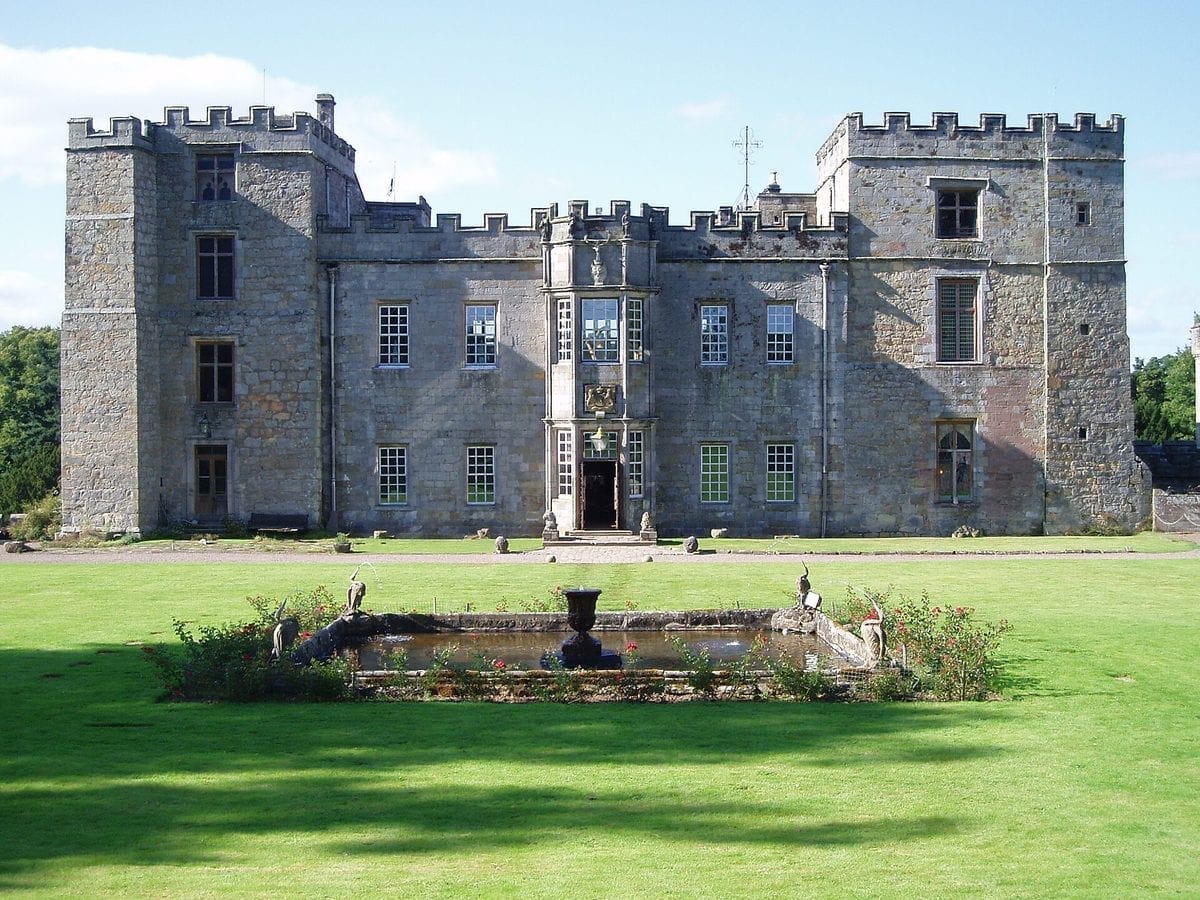
That the Radiant Boys are genuine supernatural apparitions, the returning spirits of murdered children, and that their appearance truly functions as a prophecy: the person who sees one will first rise to great worldly power and then meet a sudden and violent death.
The Radiant Boys (in German lore, the Kindermörder) are a genuine strand of English and Germanic folklore: glowing child spirits, said to be the ghosts of murdered children, whose appearance was held to mark the witness for great worldly success followed by a sudden violent end. What is on the record is a real body of oral tradition and 19th-century ghost literature, most famously Catherine Crowe's account of an 1803 sighting at Corby Castle. The claim we rate is the supernatural one: that these apparitions are real spirits that actually foretell a person's fate. That claim rests entirely on anonymized anecdotes, retold decades after the fact, with no physical evidence and no way to test it. It is neither confirmed nor disproved by anything in the record.
Believed by: Victorian readers of ghost lore and spiritualists, later folklorists cataloguing regional legends, and modern paranormal enthusiasts who keep the Corby Castle and Castlereagh stories in circulation
The full story
What the record shows
The Radiant Boys are a real piece of folklore, and it is worth being precise about what that means. The tradition describes a glowing child, sometimes clothed in white with hair like gold, sometimes naked and wrapped in a dazzling light, who appears silently at a person's bedside. In the fuller versions the figure is the ghost of a murdered child, and its appearance is an omen: the witness will climb to great power and then die a sudden, violent death.
The legend is thickest in Cumberland, in the northwest of England, a region with deep Norse and Germanic roots. Folklorists have linked it to a Germanic motif of the Kindermörder, children killed by their own mothers, whose restless spirits were said to walk. Whether that line of descent is exact or merely a family resemblance is itself an open question, but the English tradition is well attested in the ghost literature of the 1800s.
The single most cited case is a sighting at Corby Castle, the Howard family's seat, on the night of 7–8 September 1803. A guest, recorded only as the Reverend Henry A., reported waking to see a beautiful boy by his bed who then drifted toward the chimney and vanished where there was no way out. So the question this file weighs is not whether the legend exists. It plainly does. It is whether the apparition at its center is a real spirit that truly foretells a fate.
The case believers make
The believing version is not empty, and it deserves a fair hearing. Its strongest point is the quality of the witnesses. The Corby account did not come from a thrill-seeker but from a clergyman, a Rector, who by all reports was sober and respectable and who held to his account for the rest of his long life without wavering.
It was carried, too, by a serious author. Catherine Crowe, who printed the story in 1848, was a widely read writer who did not simply repeat a rumor: she stated that she personally knew the family and the friends of the Reverend and could vouch for the man's sincerity. To a reader of the time, that was as close to testimony under oath as a ghost story was likely to get.
And then there is Castlereagh. The omen was said to have appeared to the young Robert Stewart, who did rise to the summit of British power as Foreign Secretary at the fall of Napoleon, and who did die suddenly and by his own hand in 1822. For a believer, a prophecy of rise-then-violent-end that lands so exactly on a real and famous life is hard to wave away as chance.
A respectable clergyman who never recanted, a trusted author who vouched for him, and an omen that seemed to come true for a famous statesman. That is the case, and it is why the legend has lasted.
Put plainly, the strongest form of the claim is not that ghosts have been proven, but that sincere, credible people described the same strange thing across time, and that at least one instance appears to have come true. That is enough to make the story stick, even if it is not enough to make it fact.
Where the evidence thins out
The trouble is that when the legend is pressed for proof, it turns to air. Every strength above is a fact about storytelling, not about spirits.
Start with the evidence itself. There is no photograph, no physical trace, no contemporaneous investigation, only a handful of anecdotes, most written down long after the events they describe. The Corby account reaches us through Crowe forty-five years later and through a witness she names only by an initial. A sincere man woken in an unfamiliar room can misperceive shadow or dream, and the vivid figures seen on the edge of sleep are a well-documented ordinary experience. Conviction, however genuine, tells us about the witness, not about the physics of the room.
The Castlereagh prophecy is weaker still under scrutiny, because it was assembled after his death, with the ending already known. A prominent life that ends in tragedy is common enough that any such life can be trimmed to fit a prediction. There is no record of the vision described in his own hand at the time it supposedly occurred, only later retellings shaped by hindsight. A prophecy written down after the fact predicts nothing.
Even the murdered-child origin, the detail that gives the legend its sorrow, is part of the story rather than a finding. No specific killing has ever been tied to a specific haunting in a way that could be checked. The tale explains itself from inside itself, which is exactly what folklore does and exactly what evidence does not.
Why the story endures
If the evidence is so thin, the more interesting question is why the Radiant Boys have held their grip for two centuries. The answer is that the legend is unusually well built.
It has a perfect image. A silent, glowing child is both beautiful and frightening, tender and wrong, and that tension makes it stick in the mind far better than a rattling chain or a cold draft. Stories survive on the strength of their pictures, and this one has a great picture.
It has a moral shape. The omen binds ambition to a hidden price: rise as high as you like, and something is waiting. That arc feels like justice, or like fate, and audiences return to stories in which worldly power carries a secret cost. Hanging the omen on a real statesman only sharpened the point.
And it draws on a true experience. Many people have genuinely woken in a strange room and, for a moment, seen a figure that was not there. The legend rings true to that memory. It takes a common and unsettling human experience and gives it a name, a face, and a meaning, which is how the most durable ghost stories are made.
An untestable omen
Keep the two things apart. As folklore, the Radiant Boys are real and well recorded: a genuine tradition, a genuine 1803 account preserved by a serious author, a genuine tale wound around a genuine statesman's life. None of that is in question, and the legend deserves to be read and enjoyed as what it is.
The claim we rate is narrower and larger at once: that the apparitions are literally real spiritsthat truly foretell a witness's fate. On that claim the record offers only anonymized, after-the-fact anecdotes, no physical evidence, and a prophecy that was written down once its subject was already dead. There is nothing here that can be tested and nothing that can be ruled out.
The Radiant Boys endure because they are a very good story, told by credible people, about a real fear. That is a fine reason to keep telling it, and not a reason to mistake it for a proven fact.
What's still unexplained
- How much of the Corby Castle account reflects the witness's original words and how much was shaped by Catherine Crowe's 1848 retelling is hard to recover, since the earliest write-up sat in a private family journal.
- Whether the Castlereagh vision was ever described by him in his own lifetime, or only assembled from later report, remains uncertain, and it matters for judging how much the omen was read back into his life after his death.
- The precise line of descent from the Germanic Kindermörder motif to the Cumberland radiant boy is proposed by folklorists but not firmly documented, and the connection rests on thematic resemblance more than a traceable chain.
- Why glowing-child apparitions recur across separate regional traditions is an open question for folklore and psychology, whether through shared migration of stories, common features of near-sleep perception, or both.
Point by point
The claim: Multiple independent witnesses across centuries saw the same kind of glowing boy, so the apparition must be real.
What the record shows: The surviving accounts are few, anonymized, and mostly recorded well after the fact. The central Corby Castle case reaches us through a witness identified only as the Reverend Henry A., printed by Catherine Crowe forty-five years later. A shared story template, a glowing child at a bedside, is exactly what oral tradition transmits from teller to teller. Similar imagery across accounts shows a common story circulating, which is not the same as showing a common ghost.
The claim: The omen came true for Lord Castlereagh, who rose to power and then died violently, just as the legend said.
What the record shows: The Castlereagh tale is a single anecdote attached to a real life after that life had already ended. Told and retold with the ending known, any biography can be trimmed to fit a prophecy: a prominent career and a tragic death are common enough that a match proves nothing. There is no contemporaneous record of the vision from the time it supposedly happened, only later retellings shaped by hindsight.
The claim: The Reverend at Corby Castle was a credible, respectable man who never wavered, so his testimony should be believed.
What the record shows: Sincerity is not the same as accuracy. An honest witness woken in an unfamiliar room can misperceive shadow, dream, or the hypnopompic imagery common on the edge of sleep, and remain certain for life that it was real. Crowe's vouching speaks to the man's character, not to the physics of what he saw. A firmly held conviction is evidence about a person, not about a spirit.
The claim: The apparitions are the spirits of children murdered by their mothers, which explains their sorrowful, glowing form.
What the record shows: This is the folklore's own internal explanation, not an independent finding. The murdered-child origin, the German Kindermörder motif, is part of the story itself and cannot be checked against any record of a specific killing tied to a specific haunting. It gives the legend emotional shape and a moral, which is what such tales do, without offering anything that could be verified or falsified.
The claim: The legend concentrates in one region and around real, identifiable houses, which grounds it in fact.
What the record shows: Real places anchor a story without confirming its supernatural content. Cumberland has genuine estates, genuine families, and a genuine Norse and Germanic settlement history, and a legend naturally attaches itself to named halls and known names because that makes it more vivid and repeatable. A true setting is a feature of good folklore, not evidence that the ghost within it exists.
Timeline
- Germanic traditionFolklorists trace a possible root of the legend to Germanic lore of the Kindermörder, children killed by their own mothers, whose restless spirits were said to linger. The motif of a murdered child returning as an omen recurs across northern European storytelling.
- 9th–10th centuryCumberland and the wider northwest of England are settled by Norse and Germanic peoples. Later folklorists point to this heritage to explain why radiant-boy stories cluster in the region, often attached to old estates and great houses.
- 18th centuryBy tradition, a young army officer named Robert Stewart, the future Lord Castlereagh, is quartered in Ireland when, lost in bad weather, he takes shelter for the night in a strange house and reportedly sees a glowing naked boy at his bedside before the figure fades. The tale is passed down within his circle rather than documented at the time.
- 1803-09-07On the night of 7–8 September, a clergyman recorded only as the Reverend Henry A., Rector of Greystoke, and his wife stay as guests at Corby Castle, the Cumberland seat of the Howard family. He later reports waking to see a beautiful boy in white with golden hair standing by the bed, who then glides toward the chimney and vanishes where there is no exit.
- 1803The Reverend's account is written down in the host family's journal shortly after the incident. He maintains for the rest of his life that the experience was real, and his conviction is later cited as a mark of his sincerity.
- 1815Robert Stewart, by now a leading statesman, is said to recount his own radiant-boy vision to the novelist Sir Walter Scott, who takes an interest in such tales. The story circulates in literary and aristocratic society as the omen tradition gains a famous name.
- 1822-08-12Lord Castlereagh, having risen to Foreign Secretary and a central role in the coalition against Napoleon, dies by suicide amid a severe decline in his health. Believers read his career and sudden end as the omen fulfilled: the rise to power, then the violent death.
- 1848Catherine Crowe publishes The Night Side of Nature, a best-selling collection of ghost accounts. She prints the Corby Castle story and vouches for the witnesses, stating she is personally acquainted with the family and friends of the Reverend, which fixes the case as the standard reference for the legend.
- 20th–21st centuryThe Radiant Boys pass into modern ghost encyclopedias, regional haunting guides, and paranormal websites. The Corby Castle sighting and the Castlereagh omen are retold repeatedly, usually citing Crowe, with little new evidence added.
The Radiant Boys (in German lore, the Kindermörder) are a genuine strand of English and Germanic folklore: glowing child spirits, said to be the ghosts of murdered children, whose appearance was held to mark the witness for great worldly success followed by a sudden violent end. What is on the record is a real body of oral tradition and 19th-century ghost literature, most famously Catherine Crowe's account of an 1803 sighting at Corby Castle. The claim we rate is the supernatural one: that these apparitions are real spirits that actually foretell a person's fate. That claim rests entirely on anonymized anecdotes, retold decades after the fact, with no physical evidence and no way to test it. It is neither confirmed nor disproved by anything in the record.
Reviewed by Colin Peterson · Last reviewed July 8, 2026 · How we rate
Common questions
Is The Radiant Boys true?
The Radiant Boys (in German lore, the Kindermörder) are a genuine strand of English and Germanic folklore: glowing child spirits, said to be the ghosts of murdered children, whose appearance was held to mark the witness for great worldly success followed by a sudden violent end. What is on the record is a real body of oral tradition and 19th-century ghost literature, most famously Catherine Crowe's account of an 1803 sighting at Corby Castle. The claim we rate is the supernatural one: that these apparitions are real spirits that actually foretell a person's fate. That claim rests entirely on anonymized anecdotes, retold decades after the fact, with no physical evidence and no way to test it. It is neither confirmed nor disproved by anything in the record.
What is The Radiant Boys?
The Radiant Boy is a figure from English and Germanic folklore: the glowing ghost of a murdered child, often said to have been killed by its own mother, whose silent appearance at a bedside was believed to be an omen. According to the tradition, the person who saw it would rise to the height of worldly power and then die suddenly and vio…
What does the evidence show?
The surviving accounts are few, anonymized, and mostly recorded well after the fact. The central Corby Castle case reaches us through a witness identified only as the Reverend Henry A., printed by Catherine Crowe forty-five years later. A shared story template, a glowing child at a bedside, is exactly what oral tradition transmits from t…
Why do people believe it?
The image is unforgettable. A silent, glowing child at the bedside is one of the most affecting figures in ghost lore, and a story built around it lodges in memory and spreads easily, which keeps the legend alive far more effectively than any evidence could.
What is still unresolved?
How much of the Corby Castle account reflects the witness's original words and how much was shaped by Catherine Crowe's 1848 retelling is hard to recover, since the earliest write-up sat in a private family journal.
Sources
- 1.Radiant Boy, Occult World (Encyclopedia of Ghosts and Spirits)
- 2.The Night-Side of Nature; or, Ghosts and Ghost-Seers, Project Gutenberg (Catherine Crowe, 1848) (1848)
- 3.The night side of nature, or, Ghosts and ghost seers, Internet Archive (Catherine Crowe) (1848)
- 4.Catherine Crowe, Wikipedia
- 5.Robert Stewart, Viscount Castlereagh, Encyclopaedia Britannica
- 6.Robert Stewart, Viscount Castlereagh, Wikipedia
- 7.Corby Castle, Mysterious Britain & Ireland
Embed this case file on your site
Paste this snippet to show this case file as a small card, with a link back to the full write-up. Free to use.
<iframe src="https://theconspiratory.com/embed/radiant-boys" title="The Conspiratory verdict" width="520" height="190" style="border:0;max-width:100%" loading="lazy"></iframe>Help us investigate
This is a living case file. If you spot an error or know evidence we missed, tell us, and weigh in on where you land.
Where do you land?
Cast your read on this one.
Comments
Add your take. Comments are read and approved by a human before they appear, so keep it on topic and civil. Please do not accuse named, living people of crimes.