Industrial seed oils are a knowingly-hidden poison behind modern disease, 'the hateful eight'
By Colin PetersonJuly 12, 2026
Where the evidence lands →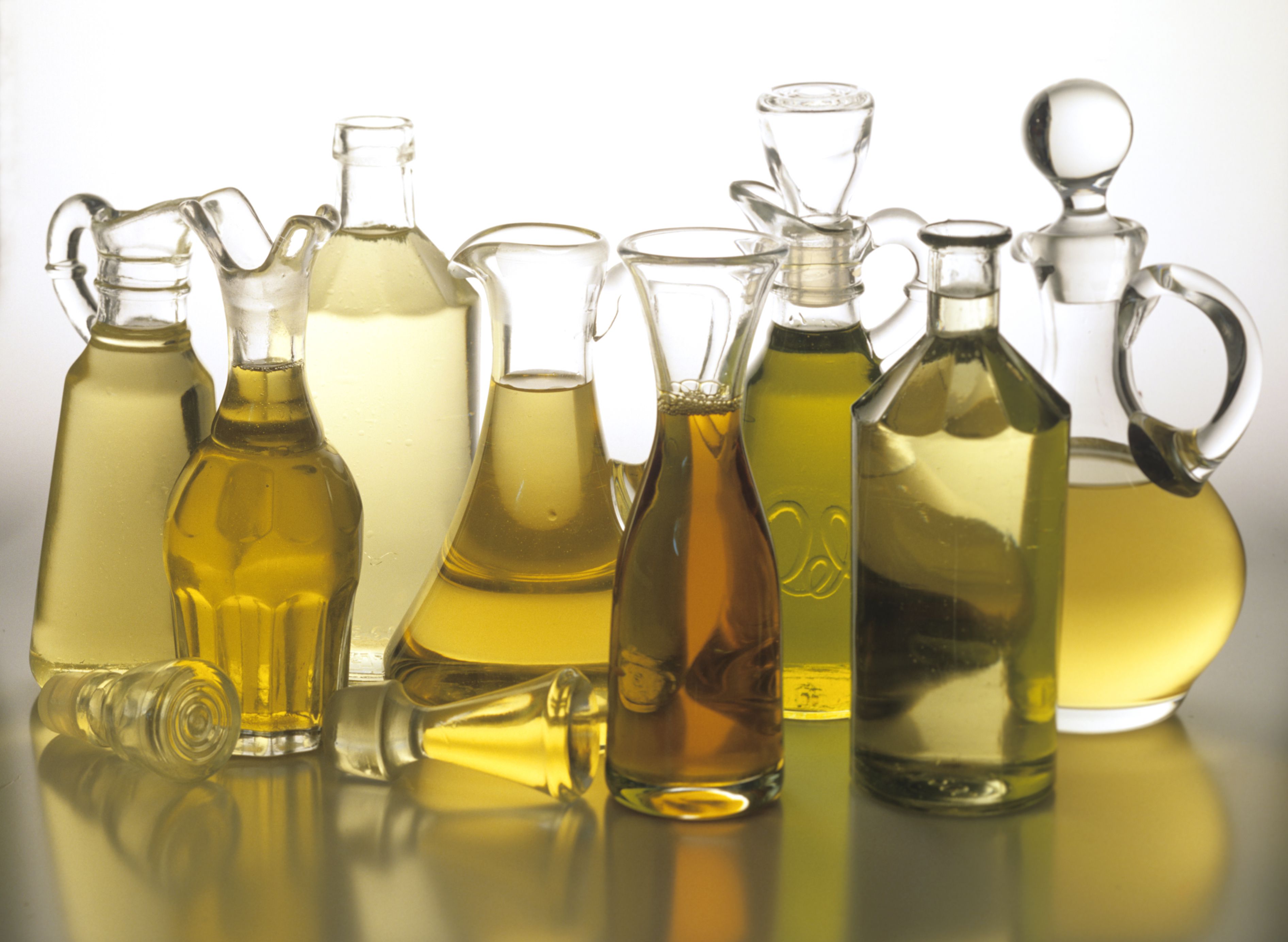
That industrial seed oils (the so-called 'hateful eight': canola/rapeseed, soybean, corn, sunflower, safflower, grapeseed, cottonseed, and rice-bran oil) are a deliberately concealed toxin, an engineered industrial poison rather than a food, that they are the hidden primary cause of obesity, heart disease, systemic inflammation, and much of modern chronic illness, and that food companies and public-health authorities know this and knowingly cover it up.
There is a real, unsettled nutrition science here, and it is worth keeping separate from the conspiracy wrapped around it. Refined seed oils are industrially processed, they are high in omega-6 linoleic acid, and open questions remain about the omega-6 to omega-3 ratio, about oxidation when oils are repeatedly heated, and about the ultra-processed foods these oils are embedded in. Those questions are genuinely debated. The claim we rate is bigger: that seed oils are a deliberately engineered toxin, the hidden single cause of obesity, heart disease, and inflammation, and that industry and health authorities knowingly cover this up. That version is not supported. Controlled human trials find polyunsaturated fat lowers LDL cholesterol versus saturated fat and does not raise inflammatory markers, the science is argued in the open rather than concealed, and no evidence establishes a hidden poison or a cover-up. Being one ingredient in an unhealthy modern diet is not the same thing as a secret toxin.
Believed by: A large wellness and social-media audience spanning paleo, keto, and carnivore-diet communities, biohackers, and, from the mid-2020s, the political Make America Healthy Again movement
The full story
How vegetable oil became the hateful eight
They are among the most ordinary things in a kitchen: the neutral, pale oils pressed and refined from seeds and grains. Canola, soybean, corn, sunflower, safflower, grapeseed, cottonseed, and rice-bran oil, eight of them, are cheap, high in the omega-6 fat linoleic acid, and folded into an enormous share of packaged and restaurant food. For most of a century they were sold, uncontroversially, as “vegetable oils.”
Then the name changed. Recast as “seed oils” and bundled under the label “the hateful eight,” a phrase popularized by the physician Cate Shanahan, the same pantry staple was reintroduced to millions of people as something engineered and sinister. The reframing did real rhetorical work: “vegetable” sounds like a garden, “seed oil” sounds like a factory. From around 2018, and with force after a 2020 podcast conversation carried the idea to a mass audience, the claim spread that these oils are not merely unhealthy but toxic, the concealed cause of much of modern disease.
It matters, more than in most cases in this archive, to be precise about what is being weighed. Underneath the slogan sits a genuine and unresolved scientific conversation, about omega-6 balance, about what happens when oils are heated, about the ultra-processed foods these oils live inside. That conversation is legitimate, and this file treats it as such. The claim we rate is the larger one built on top of it: that seed oils are a deliberately hidden engineered poison, the single cause of obesity, heart disease, and inflammation, kept on shelves by a cover-up. Those are two different propositions, and telling them apart is the whole task. Nothing here is dietary or medical advice, and nothing here alleges a crime.
The questions that are actually real
Steelman the critics fairly, because the reasonable core of their case is not invented. Start with the processing, which is exactly as industrial as they say. Most refined seed oils are extracted from their seeds using heat, high pressure, and a petroleum-derived solvent, hexane, then refined, bleached, and deodorized into the clear, flavorless product on the shelf. None of that is a secret, but none of it looks much like pressing an olive either, and calling the result “highly processed” is simply accurate.
There is a real biochemical question underneath, too. Seed oils are rich in omega-6 linoleic acid, and over the twentieth century the ratio of omega-6 to omega-3 fats in the typical Western diet shifted dramatically. Some researchers argue that this imbalance could tilt the body toward a more inflammatory state. That specific question, the population-wide omega-6 to omega-3 ratio, is genuinely debated by serious scientists and is not settled.
The oxidation argument is the strongest card the critics hold. Polyunsaturated fats are chemically less stable than saturated ones, and when oils are heated to high temperatures or reused again and again, as they are in commercial deep fryers, they can form oxidation products including reactive aldehydes. The chemistry is real and measurable. Whether ordinary dietary exposure to these compounds harms people is the part that is unproven, but the concern is not pulled from nowhere.
“Highly processed and embedded in junk food” is a fair description. It is a different claim from “a secret poison,” and only the first is well supported.
And the distrust that powers all of it is at least partly earned. Nutrition authorities have changed their advice on fat, cholesterol, and eggs more than once, and the food industry has a documented history of funding research and shaping guidance. People who feel they were once steered wrong have a rational reason to doubt the current message. None of this, on its own, is a conspiracy theory. It is a fair account of why one finds such fertile ground here.
What the poison claim gets wrong
The distance between “highly processed and worth studying” and “a knowingly-hidden poison behind modern disease” is where the claim runs past its evidence, and on the central mechanism the best human research points the other way.
Take inflammation first, since it is the load-bearing idea. The proposed pathway, that linoleic acid converts into arachidonic acid and drives body-wide inflammation, sounds mechanistic and plausible. But when it is tested in people, it does not hold up as advertised: a 2017 analysis pooling dozens of randomized controlled trials found that raising linoleic-acid intake did not increase blood markers of inflammation. A mechanism that looks compelling on a whiteboard has to survive contact with actual human trials, and this one largely did not.
On heart disease, the evidence cuts hardest against the poison framing. An American Heart Association presidential advisory, drawing on randomized trials, found that replacing saturated fat with polyunsaturated vegetable oil lowers LDL cholesterol and reduced cardiovascular events by roughly 30 percent in controlled studies, an effect the advisory compared to the benefit of some medications. Whatever else is true, an ingredient that lowers a key risk marker and reduces events in trials is a strange candidate for a hidden heart poison.
The processing scare thins out on inspection as well. The hexane used in extraction is a processing aid that is almost entirely driven off during refining, with residues limited by regulation, so “made with a solvent” is true while “full of solvent” is not. And the timeline argument, that seed oil use rose alongside obesity, proves less than it seems: over the same century, calories, added sugar, ultra-processed food, and sedentary living all rose together. Correlation across a century of dietary upheaval cannot single out one ingredient, especially one consumed almost entirely inside the ultra-processed foods where the clearest evidence of harm actually lies.
That leaves the cover-up, and here the claim collapses on its own terms. The findings that favor these oils sit in published, replicated trials that anyone can read, and the counter-case about oxidation and omega-6 balance is published in the same literature, argued at conferences, and covered widely in the press. A body of evidence debated this openly is close to the opposite of a concealed one. There is a real, narrower point about industry funding and shifting guidance that deserves scrutiny. It is not, and does not amount to, proof of a coordinated plan to hide a poison.
Why the poison story spreads
The theory travels because it starts from things that are true and answers a real anxiety: why has chronic disease climbed while the food supply grew ever more industrial? The historical curve genuinely is dramatic, seed oils rising from almost nothing to the dominant added fat in roughly a century, and a single named villain that tracks that curve is far more graspable than the plain answer, which is a tangle of many causes with no author in charge.
The language does a lot of the work. Hexane, bleaching, deodorizing: the real processing steps sound like a chemistry lab, and the rebrand from “vegetable oil” to “seed oil” quietly reclassifies a familiar staple as something alien. Once an ingredient feels unnatural, the leap to “poison” is short, and the leap to “they must be hiding it” shorter still, especially for people who feel the experts misled them on fat before.
Then there is identity. The anti-seed-oil message lives inside communities, paleo, keto, carnivore, ancestral health, that offer belonging and a clean moral story of natural versus industrial. From the mid-2020s a political movement adopted seed oils as a symbol of a captured, unhealthy food system, giving the belief a tribal charge that carries it far beyond anything the underlying studies say. Beliefs that mark you as part of a group are stickier than beliefs held on evidence alone, which is part of why careful correction so rarely lands.
And the kernel of legitimate doubt keeps the whole thing plausible. Because there really are open questions about oxidation and omega-6 balance, and because the ultra-processed foods these oils ride in really are bad for you, the poison story can always point to something real and borrow its credibility. That is exactly what makes it durable, and exactly why the two claims have to be pried apart.
One real debate, one false plot
The rating is disputed, and the word is doing careful work. It does not mean the science is finished, and it does not mean the critics are simply wrong about everything. It means there is a real, unresolved nutrition debate sitting beneath a much larger conspiracy claim, and the two have to be judged separately.
What is genuinely open: the population-wide omega-6 to omega-3 ratio, the effects of oxidation products from oils heated hard or reused, and the difficulty of separating seed oils from the ultra-processed diets they belong to. Reasonable scientists argue these points in good faith, and this file does not pretend they are closed.
What is not supported: that seed oils are a deliberately engineered toxin, the single hidden cause of obesity, heart disease, and inflammation, concealed by a cover-up. Controlled human trials find polyunsaturated fat lowers LDL cholesterol versus saturated fat and does not raise inflammatory markers; the correlation with rising disease cannot be pulled loose from calories, sugar, and processed food; the hexane is a processing aid, not a lurking poison; and the entire debate is conducted in the open, which is not how a cover-up works. Being one processed ingredient in an unhealthy dietary pattern is a real and serious thing to say. It is not the same as being a secret poison, and only the smaller claim is one the evidence will carry. This is not advice about what anyone should eat; it is an account of what the record does and does not establish.
What's still unexplained
- Whether the modern population-wide shift in the omega-6 to omega-3 ratio has meaningful health effects is genuinely unsettled. Serious researchers disagree, and it remains an active area of study rather than a closed question in either direction.
- The health impact of oxidation products from oils that are heated to high temperatures or reused repeatedly, as in commercial frying, is a real research gap. The chemistry is established; the human dose-response and disease link are not.
- Disentangling seed oils from the ultra-processed foods that carry them is genuinely hard. Because the two travel together, isolating any independent effect of the oil from the effect of the processed diet around it is an unresolved methodological challenge.
- Even authoritative reviews acknowledge remaining gaps in the very-long-term evidence on high linoleic-acid intake, which is part of why the narrower nutrition debate stays open while the engineered-poison claim does not.
Point by point
The claim: Seed oils are an engineered industrial poison, not a real food: extracted with high heat, pressure, and the solvent hexane, then bleached and deodorized.
What the record shows: The processing description is largely accurate, and the word 'poison' is where it leaves the evidence. Most refined seed oils are indeed extracted using heat, pressure, and hexane, then refined, bleached, and deodorized; that is real industrial food processing, not a hidden fact. But refining is not the same as poisoning. The hexane is a processing aid that is almost entirely removed, and regulators set limits on residues. 'Highly processed' is a fair and meaningful description; 'a toxin secretly engineered to harm people' is a claim of a different kind, and nothing in the processing record establishes it.
The claim: The omega-6 linoleic acid in seed oils causes systemic inflammation and is the hidden driver of heart disease.
What the record shows: This is the crux, and controlled human research points the other way on the headline claim. The proposed mechanism, that linoleic acid converts to arachidonic acid and stokes body-wide inflammation, is a real hypothesis, but a 2017 analysis of dozens of randomized controlled trials found that higher linoleic-acid intake did not raise blood markers of inflammation. On heart disease, an American Heart Association advisory and its underlying trials found that replacing saturated fat with polyunsaturated vegetable oil lowers LDL cholesterol and cut cardiovascular events by roughly 30 percent in controlled studies. That is close to the opposite of a hidden heart poison. The separate question of the population-wide omega-6 to omega-3 ratio remains genuinely debated.
The claim: When heated, seed oils oxidize into toxic aldehydes, so cooking with them is uniquely dangerous.
What the record shows: This is the strongest strand of the critique, and it is real chemistry that is still being worked out rather than a settled danger. Polyunsaturated fats are chemically less stable than saturated fats and can form oxidation products, including aldehydes, especially when oils are heated to high temperatures or reused repeatedly, as in commercial deep frying. What is not established is that normal dietary use produces enough of these compounds to cause disease in people: the 'oxidized linoleic acid' hypothesis is a hypothesis, and oxidation measured in a beaker does not straightforwardly translate to harm in the body. It is a legitimate open research question, not a demonstrated poisoning.
The claim: Seed oil consumption rose in lockstep with obesity and chronic disease, so the oils must be the cause.
What the record shows: The correlation is real; the causal leap is not supported. Seed oil use did climb steeply across the twentieth century, but so did total calories, added sugar, ultra-processed food, portion sizes, and sedentary living. Seed oils are overwhelmingly consumed inside ultra-processed foods, where the clearest and most consistent evidence of harm actually sits, which makes it very hard to isolate the oil itself as a cause. 'One ingredient among many in an unhealthy dietary pattern' is a defensible reading of the data. 'The single hidden cause of the modern disease epidemic' goes far beyond what correlation can show.
The claim: Food companies and health authorities know seed oils are poison and knowingly cover it up.
What the record shows: No evidence supports a knowing cover-up, and the science is conducted in the open. Mainstream bodies recommend these oils on the basis of published, replicated randomized trials, and the counter-arguments about oxidation and omega-6 balance are themselves published in the same journals, debated at conferences, and covered in the press. There is a fair historical point that the food industry has funded nutrition research and that dietary guidance has shifted over the decades, which is a real reason for public skepticism. But a documented history of imperfect, industry-adjacent science is not the same as a coordinated conspiracy to hide a poison, and the leap from one to the other is unearned.
Timeline
- 1911Procter & Gamble launches Crisco, made from hydrogenated cottonseed oil, a byproduct once used mainly for soap and lubrication. Cheap refined vegetable and seed oils spread rapidly through the American food supply over the following decades, growing from a tiny share of dietary fat in 1900 to a dominant one by the century's end.
- 1961The American Heart Association issues an early recommendation to replace saturated animal fats with polyunsaturated vegetable oils to reduce heart-disease risk, among the first times a major health body urged the public to change its diet. Decades of shifting fat guidance follow, later fueling public distrust that the anti-seed-oil narrative draws on.
- c. 2018Health claims that refined seed oils are uniquely harmful begin spreading on blogs, podcasts, and social media, growing out of paleo, ancestral-health, and clean-eating circles. The refrain from 'vegetable oil' to 'seed oil' is itself a rhetorical shift that makes a familiar pantry staple sound industrial and alien.
- 2020The carnivore-diet advocate Paul Saladino discusses seed oils at length on Joe Rogan's podcast, and the topic breaks out of niche wellness spaces into a mass audience. Short-form video accelerates it, with clips framing the oils as toxic and their ubiquity as sinister.
- 2024Family physician Cate Shanahan, who had popularized the label 'the hateful eight' for the most common refined seed oils, publishes the book Dark Calories, arguing these oils drive disease. The phrase becomes shorthand for the whole movement.
- 2025Seed oils become a political cause under the Make America Healthy Again banner, with figures around the movement urging a return to fats such as beef tallow. Some restaurant chains publicize switching away from seed oils, while farm groups and nutrition scientists push back, noting the human-trial evidence does not support the toxin claim.
From the case file
The actual records: declassified, released, or leaked. We link straight to each document in its official archive, so you never have to take our word for it. Read the originals yourself.
Dietary Fats and Cardiovascular Disease: A Presidential Advisory From the American Heart Association
The AHA's authoritative advisory on dietary fat. Reviewing randomized controlled trials, it concludes that replacing saturated fat with polyunsaturated vegetable oil lowers LDL cholesterol and reduced cardiovascular events by roughly 30 percent, which is the mainstream evidence base the 'seed oils are heart poison' claim runs against.
Read the document: AHA Journals (Circulation) →ω-6 Polyunsaturated Fatty Acids and Cardiometabolic Health: Current Evidence, Controversies, and Research Gaps
A peer-reviewed review that lays out what is known and what is still contested about omega-6 fats such as linoleic acid, including the inflammation and omega-6 to omega-3 ratio debates. It documents the legitimate, open scientific questions that the engineered-poison claim distorts and exaggerates.
Read the document: National Library of Medicine (PMC) →There is a real, unsettled nutrition science here, and it is worth keeping separate from the conspiracy wrapped around it. Refined seed oils are industrially processed, they are high in omega-6 linoleic acid, and open questions remain about the omega-6 to omega-3 ratio, about oxidation when oils are repeatedly heated, and about the ultra-processed foods these oils are embedded in. Those questions are genuinely debated. The claim we rate is bigger: that seed oils are a deliberately engineered toxin, the hidden single cause of obesity, heart disease, and inflammation, and that industry and health authorities knowingly cover this up. That version is not supported. Controlled human trials find polyunsaturated fat lowers LDL cholesterol versus saturated fat and does not raise inflammatory markers, the science is argued in the open rather than concealed, and no evidence establishes a hidden poison or a cover-up. Being one ingredient in an unhealthy modern diet is not the same thing as a secret toxin.
Reviewed by Colin Peterson · Last reviewed July 12, 2026 · How we rate
Common questions
Is Seed oils true?
There is a real, unsettled nutrition science here, and it is worth keeping separate from the conspiracy wrapped around it. Refined seed oils are industrially processed, they are high in omega-6 linoleic acid, and open questions remain about the omega-6 to omega-3 ratio, about oxidation when oils are repeatedly heated, and about the ultra-processed foods these oils are embedded in. Those questions are genuinely debated. The claim we rate is bigger: that seed oils are a deliberately engineered toxin, the hidden single cause of obesity, heart disease, and inflammation, and that industry and health authorities knowingly cover this up. That version is not supported. Controlled human trials find polyunsaturated fat lowers LDL cholesterol versus saturated fat and does not raise inflammatory markers, the science is argued in the open rather than concealed, and no evidence establishes a hidden poison or a cover-up. Being one ingredient in an unhealthy modern diet is not the same thing as a secret toxin.
What is Seed oils?
Canola, soybean, corn, sunflower, safflower, grapeseed, cottonseed, and rice-bran oil: eight common refined vegetable oils that critics have branded 'the hateful eight.' A popular online claim holds that these oils are not merely unhealthy but a knowingly-hidden industrial poison, the concealed engine of obesity, heart disease, and chron…
What does the evidence show?
The processing description is largely accurate, and the word 'poison' is where it leaves the evidence. Most refined seed oils are indeed extracted using heat, pressure, and hexane, then refined, bleached, and deodorized; that is real industrial food processing, not a hidden fact. But refining is not the same as poisoning. The hexane is a…
Why do people believe it?
The historical curve is striking on its own: seed oils went from almost nothing to the dominant added fat in a century, and rates of obesity and chronic disease climbed over the same period. A single villain that tracks the timeline is far more satisfying than the messy truth of many overlapping causes.
What is still unresolved?
Whether the modern population-wide shift in the omega-6 to omega-3 ratio has meaningful health effects is genuinely unsettled. Serious researchers disagree, and it remains an active area of study rather than a closed question in either direction.
Sources
- 1.Seed oil misinformation, Wikipedia (2025)
- 2.Dietary Fats and Cardiovascular Disease: A Presidential Advisory From the American Heart Association, Frank M. Sacks et al., Circulation (American Heart Association) (2017)
- 3.The Evidence Behind Seed Oils' Health Effects, Johns Hopkins Bloomberg School of Public Health (2025)
- 4.Seed Oils: Are They Actually Toxic?, Cleveland Clinic (2024)
- 5.Claims that seed oils are harming Americans' health are causing problems for farmers, NPR (2025)
- 6.What MAHA's crusade against seed oils reveals about flaws in nutrition science, STAT (2025)
- 7.How Seed Oils Were Demonized By Health and Wellness Gurus, Reason (2023)
- 8.ω-6 Polyunsaturated Fatty Acids and Cardiometabolic Health: Current Evidence, Controversies, and Research Gaps, Advances in Nutrition (National Library of Medicine, PMC) (2018)
Embed this case file on your site
Paste this snippet to show this case file as a small card, with a link back to the full write-up. Free to use.
<iframe src="https://theconspiratory.com/embed/seed-oils-hateful-eight" title="The Conspiratory verdict" width="520" height="190" style="border:0;max-width:100%" loading="lazy"></iframe>Help us investigate
This is a living case file. If you spot an error or know evidence we missed, tell us, and weigh in on where you land.
Where do you land?
Cast your read on this one.
Comments
Add your take. Comments are read and approved by a human before they appear, so keep it on topic and civil. Please do not accuse named, living people of crimes.