Unusual 'put option' trading on airline and insurance stocks before September 11 proves that insiders had foreknowledge of the attacks
By Colin PetersonJuly 20, 2026
Where the evidence lands: Contradicted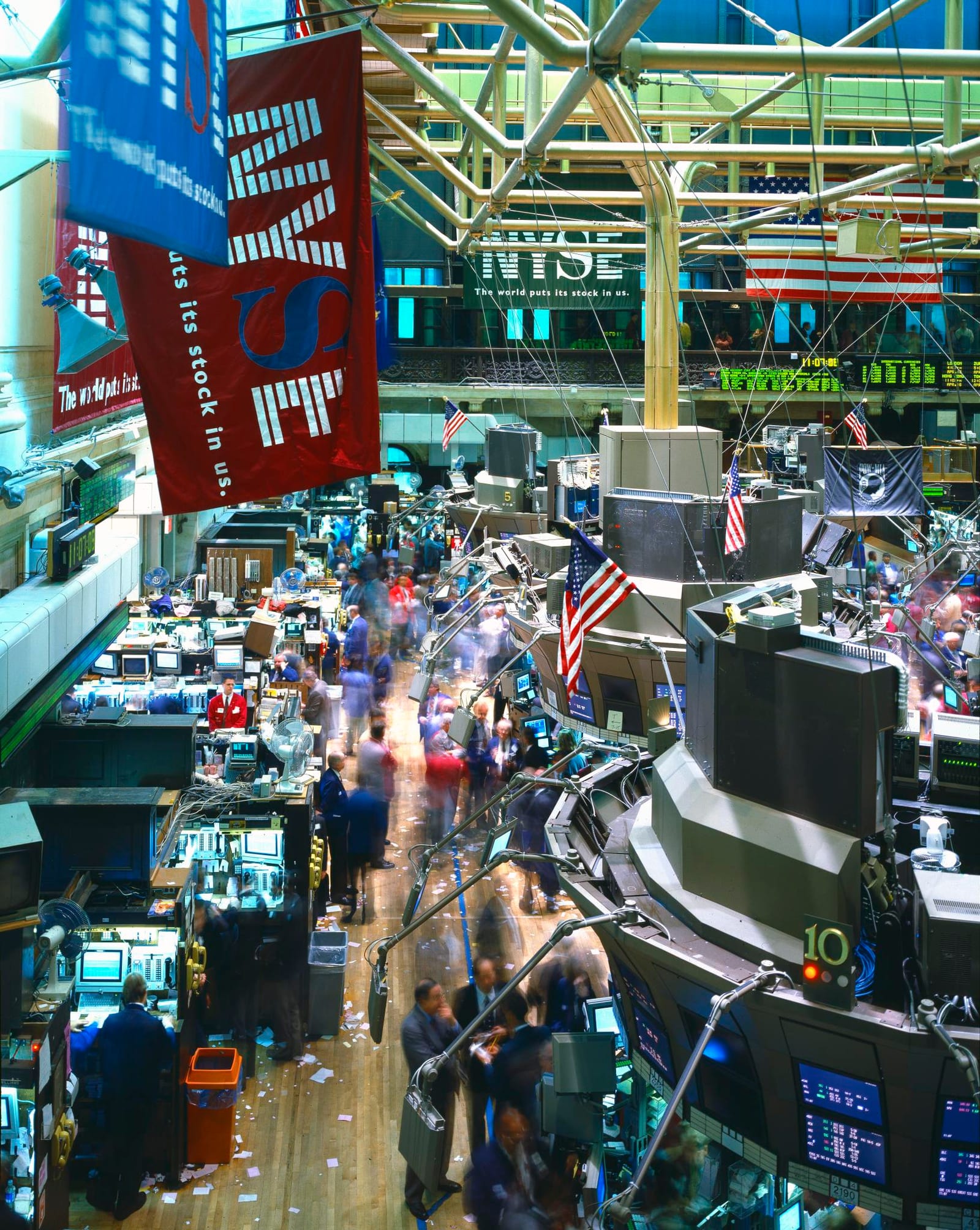
That the spike in put-option purchases on airline stocks (notably United Airlines/UAL and American Airlines/AMR) and on firms such as Morgan Stanley in the days before September 11 was too large and too well-targeted to be coincidence, and therefore proves that people with advance knowledge of the attacks, whether al-Qaeda associates, complicit insiders, or an intelligence service, traded on that knowledge for profit.
Contradicted. There was genuinely elevated put-option activity before 9/11, most famously on United Airlines and American Airlines, and an academic study confirmed the put volume was statistically unusual. But 'unusual' is not 'informed.' The SEC ran an exhaustive review and the 9/11 Commission examined the trades: each traced to an innocent cause. The largest block of UAL puts was bought by a US institutional investor with no conceivable al-Qaeda tie, as part of a strategy that also bought calls and shares inconsistent with attack foreknowledge; much of the AMR activity followed an options-newsletter recommendation. No trade was ever linked to the plotters. The claim that the trading proves foreknowledge is rated debunked.
Believed by: The 'put options' story is one of the most durable single strands of 9/11 suspicion, cited across the Truth movement and repeated in mainstream-adjacent coverage in the weeks after the attacks. It endures partly because the underlying anomaly is real and easy to state, and partly because a 2009 revelation that the SEC had destroyed its working files fed a sense that something had been hidden.
The full story
What actually traded, and what is claimed
In the week before the September 11 attacks, some traders made bets that would pay off if airline stocks fell. The instrument was the put option, a contract that gains value when the underlying share drops. On 6 September 2001, put volume on UAL Corporation, the parent of United Airlines, jumped far above its usual level. On 10 September, the day before the attacks, put volume on AMR Corporation, the parent of American Airlines, spiked in the same way. Both airlines would have planes hijacked the next morning; when the market reopened on 17 September, their shares cratered, and the earlier put positions became, on paper, far more valuable.
That much is documented and not seriously disputed. The claim layered on top is an inference: that trading this well-timed and this well-targeted could not be coincidence, and therefore proves that someone, al-Qaeda associates, complicit insiders, or an intelligence service, knew the attacks were coming and traded on that knowledge. Similar suspicion attached to options on insurers, reinsurers, and financial firms such as Morgan Stanley that the attacks would damage.
This file keeps two things apart that the popular version runs together. The first is the record: yes, put volume was elevated, and yes, an academic study later confirmed it was statistically unusual. The second is the claim we rate: that the volume proves criminal foreknowledge. The first is true. The second does not follow, and the investigations that chased it down found ordinary explanations at the end of every thread. For the wider “inside job” framework these trades are often folded into, see our separate case file on the September 11 attacks as an inside job; this page is about the insider-trading strand specifically.
The case, at its strongest
The insider-trading claim deserves to be stated at full strength, because unlike some 9/11 claims it starts from a real anomaly rather than a misreading. The core fact is genuinely arresting: in the narrow window before the attacks, someone loaded up on bets that these exact airlines would fall, and then these exact airlines fell. Put volume on UAL and AMR was not merely up, it was multiples of normal, concentrated in the very days a person with foreknowledge would have chosen.
They bet the airlines would crash, days before the airlines crashed. Stated that plainly, the suspicion almost makes itself.
The claim can also point to something more than intuition. A peer-reviewed study in The Journal of Business examined the pre-attack option market against decades of historical data and found the put activity in the airlines statistically unusual. Proponents read that as scholarly confirmation. And there is the matter of the missing paperwork: years later the SEC acknowledged that the working files behind the 9/11 Commission's key footnote had been destroyed. To a skeptic already inclined to distrust the official account, a striking anomaly, an academic paper calling it “unusual,” and vanished evidence add up to a case that at least demands an answer.
It does demand an answer. The rest of this file is that answer, because each of those three pillars means something narrower than it first appears.
What the trades actually were
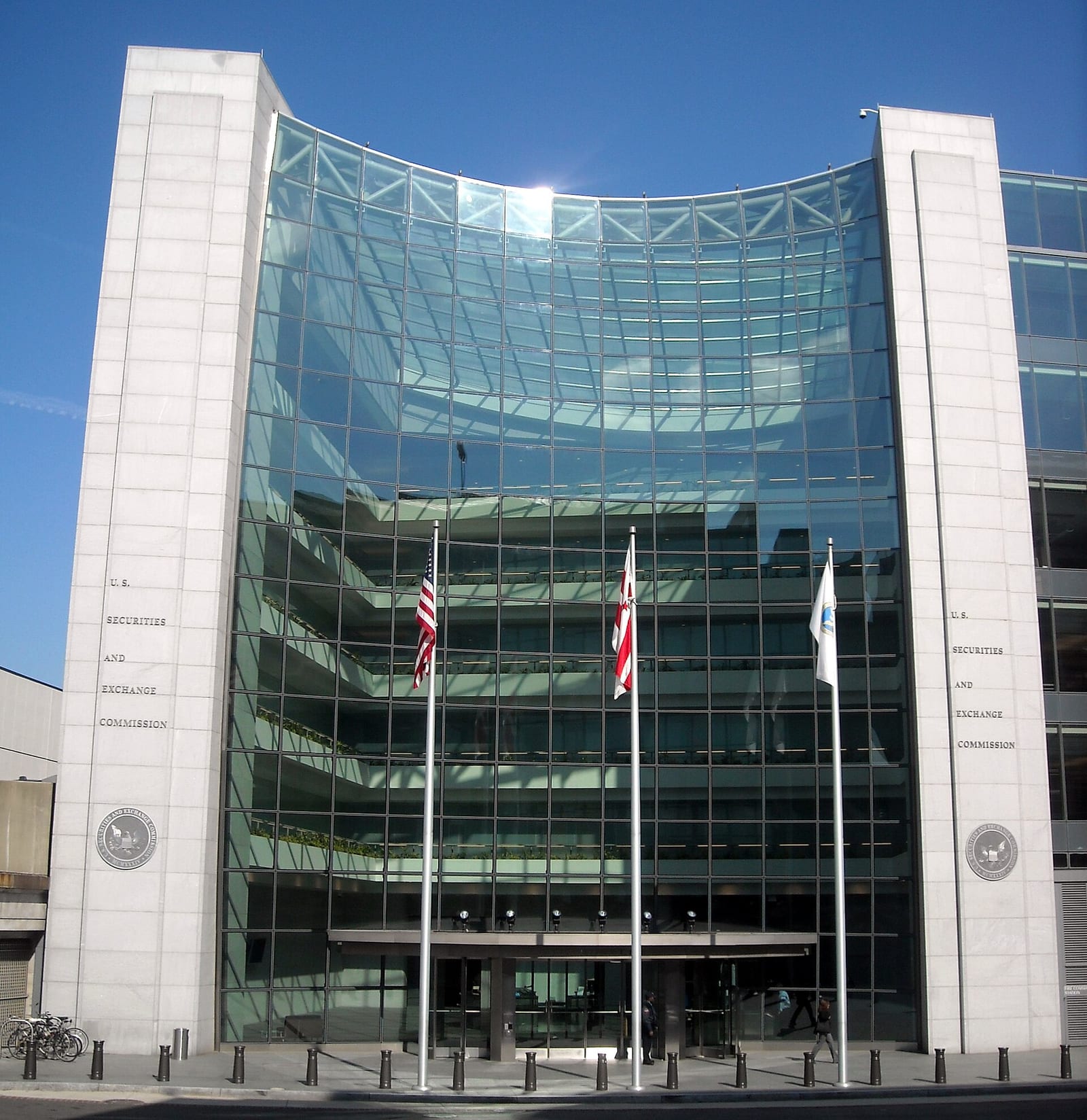
The reason the insider-trading claim collapses is not that regulators waved it away, but that they did the opposite: they ran down individual trades to the buyer, and the buyers turned out to be ordinary. The Securities and Exchange Commission opened a sweeping review, joined by the FBI, the options exchanges, and foreign regulators, and the 9/11 Commission later summarized the result in its report.
Take the single most cited number, the UAL puts of September 6. The Commission found that about 95 percent of them were bought by one US-based institutional investor with no conceivable connection to al-Qaeda, as part of a larger trading strategy. The decisive detail is what else that strategy contained: the same investor was buying calls and shares, positions that gain when airlines rise and lose when they fall. A trader who knew hijacked jets were about to destroy these companies would never hedge the bet that way. The mixed book is the signature of a routine directional or hedging play, and it is flatly inconsistent with foreknowledge.
The AMR spike of September 10 had an equally mundane root. Much of it traced to a US options-trading newsletter that had recommended exactly those put trades to its subscribers days before, a fax that went out to a mailing list, not a signal passed from a terror cell. When a tip sheet tells thousands of readers to buy a put, a volume spike in that put is what you would expect to see, attacks or no attacks.
The largest block of “suspicious” puts came bundled with calls and shares, the one combination a person with foreknowledge would never buy.
The other names dissolved the same way. Morgan Stanley, the insurers, the reinsurers: on inspection their apparently well-timed positions were pre-existing hedges, trades opened before any plausible tip window, or volume that was elevated but explicable. After all of it, the SEC's conclusion was blunt, that it had not developed any evidence that anyone with advance knowledge of the attacks traded on it. No account, foreign or domestic, was ever linked to the plot.
Why 'unusual volume' is weak evidence
The deeper lesson is statistical, and it is why the academic paper proves less than it seems. Allen Poteshman's 2006 study did find the pre-9/11 put activity in the airlines high relative to a historical benchmark. But “statistically unusual” only means the volume sat out in the tail of the normal distribution. Tails are not empty in ordinary times; unusual-but-innocent volume happens constantly, driven by earnings jitters, sector news, a widely-read newsletter, or a big fund rebalancing a hedge. Poteshman himself drew no conclusion of informed trading and noted the pattern was consistent with normal market behavior.
Two well-known reasoning traps do the rest of the work for the claim. The first is survivorship, or the Texas sharpshooter: after a catastrophe, investigators comb thousands of securities for whatever traded oddly beforehand, and in a market that large some names will always look prescient by chance. Draw the target around the bullet holes after the fact and you can find a “pattern” in pure noise. The second is base rates: even genuinely unusual volume is far more often caused by mundane things than by insider crime, simply because mundane causes are so much more common. A flag that fires on both is not proof of the rare cause.
This is why regulators do not stop at “the volume was high.” They ask who traded, and what else that person held, and when the position was opened. Those questions turn an eye-catching aggregate number into a set of individual stories, and in this case every story was ordinary. Unusual volume raised the question. It could never, by itself, answer it.
The destroyed files, and how the myth survives
If the trades were explained by 2004, why does the claim persist into the present? Part of the answer is the destroyed documents. When a researcher later asked the SEC for the working files behind the Commission's footnote, the agency said they had been purged under a routine retention schedule. For proponents this landed as vindication: the evidence was gone, so the innocent explanation must have been a cover. But routine destruction of closed-case work-papers is ordinary bureaucratic practice, and it cuts both ways: the files that would have confirmed the mundane explanations are gone too. Missing paperwork leaves a real transparency gap, which honest coverage should admit. It is not a finding of foreknowledge.
The rest of the myth's durability is structural. The claim is short, it supplies a villain and a motive, and it hides inside the technical fog of options markets that most readers cannot audit. It also never travels alone; it rides with the broader inside-job narrative and borrows its emotional charge. Later papers by conspiracy-aligned authors have claimed to detect “informed trades” in the same data, but they reargue the tail of a distribution without ever producing the one thing that would matter: a named account, held by someone tied to the plot, that traded on the secret. Twenty years of searching has not produced it.
Where this leaves us is therefore clear, and it can respect both halves of the truth. The elevated put volume was real, and calling it “unusual” is fair. The inference that it proves foreknowledge is not fair: it was investigated, traced trade by trade, and found at every turn to have an innocent cause, with the single largest block of puts sitting inside a book of calls and shares that no plotter would ever have built. On the record as it stands, the insider-trading thesis is debunked.
In pictures
What's still unexplained
- Why did the SEC destroy the working files behind footnote 130? The routine-retention explanation is plausible and common, but it does mean the raw, trade-by-trade evidence that supported the Commission's summary can no longer be independently re-audited. That is a legitimate transparency criticism, distinct from any claim that the destroyed files would have shown foreknowledge.
- Was every affected security examined with equal rigor? The reviews were broad, but proponents argue that some names (certain reinsurers, or trades routed through overseas accounts) got less public accounting than the airlines. What was published is a summary; the exhaustive underlying casework was never released in full, which leaves room to ask how completely the tail cases were run down.
- How should regulators treat 'statistically unusual' volume going forward? Poteshman's work showed the pre-9/11 put activity really did sit in the tail of the historical range, yet had innocent causes. The open methodological question is how markets and watchdogs can flag genuinely informed trading without mistaking every unusual-but-innocent spike for a crime, a problem that reaches well beyond 9/11.
Point by point
The claim: Put volume on UAL and AMR before 9/11 was extraordinary, many times normal levels. Bets that precisely those airlines would crash, placed in precisely those days, cannot be coincidence.
What the record shows: The elevated volume is real, and this is the claim's strongest factual footing. But a large, targeted position is only suspicious if there is no ordinary reason for it, and here there was. The 9/11 Commission found that a single US-based institutional investor with no conceivable tie to al-Qaeda bought about 95 percent of the pre-attack UAL puts on September 6, and did so as part of a hedging and directional strategy that also included buying call options and shares, positions that would lose money if the airlines fell. Someone with foreknowledge of the attacks would not hedge the bet with calls; the mixed book is the fingerprint of an ordinary trader, not a plotter. Much of the September 10 AMR activity, in turn, was traced to a US options-trading newsletter that had recommended those exact trades to subscribers days earlier. A bet can be large, well-timed, and profitable, and still be innocent.
The claim: An academic study proved the trading was 'unusual', which confirms the insider-trading thesis.
What the record shows: The study exists and is often cited, but it does not say what the claim implies. Allen Poteshman's 2006 paper in The Journal of Business compared pre-9/11 option volume to long-run historical distributions and found the put activity in the airlines statistically high relative to that benchmark. 'Statistically unusual' means only that the volume sat in the tail of the normal range, not that any particular trader knew anything. Poteshman drew no conclusion of informed trading and observed the pattern was consistent with ordinary market activity. Volume this side of a benchmark happens routinely for mundane reasons: a newsletter tip, an earnings scare, a hedging program, sector news. Treating a tail observation as proof of a specific crime confuses a statistical flag with a verdict.
The claim: Morgan Stanley, a WTC tenant, and reinsurers that would pay out billions also saw suspicious option activity, widening the circle of foreknowledge.
What the record shows: These names come up alongside the airlines, and the reviews covered them too. The SEC and its partners examined trading across the airlines, insurers, reinsurers, and financial firms exposed to the attacks. In each case the pattern of apparently well-timed positions dissolved on inspection into ordinary trading: pre-existing hedges, positions opened before any plausible tip window, or volume that was elevated but explicable. No firm's option activity was ever connected to a person with advance knowledge of the attacks. The breadth of the review is part of the answer: regulators did not check one stock, they swept the whole affected market and still found no informed trade.
The claim: The SEC later admitted it destroyed the documents behind the 9/11 Commission's footnote, which proves the innocent explanation was a cover story.
What the record shows: The document-destruction episode is real and is the claim's most rhetorically effective point, but it does not carry the weight placed on it. In response to a records request years later, the SEC said the underlying working files behind footnote 130 had been destroyed under a routine retention schedule. Routine destruction of investigative work-papers after a case closes is ordinary agency practice and is not, by itself, evidence of concealment; the Commission's and SEC's conclusions were published and survive. The gap it leaves is genuine (outside researchers cannot now re-audit the raw trade-by-trade files), and that is a fair criticism of records management. It is not proof that a suppressed finding of foreknowledge ever existed. Absence of the paperwork is not presence of a crime.
Other readings
Angles that don't fit neatly into the claim or its rebuttal, laid out and weighed, not endorsed.
The transparency read
A defensible middle position accepts that no foreknowledge was ever shown, yet faults the government for how it closed the book: publishing summary conclusions while later destroying the underlying files, and never releasing the exhaustive trade-level casework. On this view the claim is wrong but the official handling still earns criticism, because opacity is exactly what lets a debunked story keep breathing. Fair as a governance complaint; it is not evidence for the crime the claim alleges.
Timeline
- 2001-09-06Five trading days before the attacks, the volume of put options on UAL Corporation, parent of United Airlines, surges far above its normal level on the Chicago Board Options Exchange. United 175 and United 93 will be hijacked on 11 September.
- 2001-09-10The day before the attacks, put-option volume on AMR Corporation, parent of American Airlines, spikes sharply. American 11 and American 77 will be hijacked the next morning.
- 2001-09-11Al-Qaeda hijackers fly four airliners into the World Trade Center, the Pentagon, and a Pennsylvania field. When markets reopen on 17 September, airline and insurance stocks fall steeply, and the earlier put positions become sharply more valuable, on paper the exact profile foreknowledge would produce.
- 2001-09Within days, press outlets in the US and abroad report 'suspicious' or 'insider' trading. The Securities and Exchange Commission opens a review and enlists the FBI, options exchanges, and foreign regulators; the story of the '9/11 put options' is born almost immediately.
- 2002The SEC's review concludes without finding foreknowledge. Regulators state that although some trading was unusual, each notable position traced to an innocent explanation and none was tied to anyone with advance knowledge of the plot.
- 2004-07The 9/11 Commission's final report addresses the trades directly. A now much-cited footnote in Chapter 5 (note 130) explains that a single US institutional investor with no conceivable al-Qaeda link bought 95 percent of the pre-attack UAL puts as part of a broader strategy, and that much of the AMR activity followed a specific options-trading newsletter.
- 2006Finance scholar Allen M. Poteshman publishes 'Unusual Option Market Activity and the Terrorist Attacks of September 11, 2001' in The Journal of Business. Comparing pre-attack volume to historical benchmarks, he finds the put activity in the airlines statistically unusual, but reaches no conclusion that it reflected informed trading, and notes the pattern is consistent with ordinary speculation.
- 2009-2010A researcher's Freedom of Information Act request for the documents behind the Commission's footnote 130 draws an SEC reply that the working records had been destroyed under a routine retention schedule. Truth-movement writers treat this as a cover-up; skeptics note that a summary conclusion survived and that routine destruction of investigative work-papers is common. New papers by conspiracy-aligned authors claim to find 'informed trades', which mainstream reviewers do not accept.
From the case file
The actual records: declassified, released, or leaked. We link straight to each document in its official archive, so you never have to take our word for it. Read the originals yourself.
Other case files that cite the same sources
Contradicted. There was genuinely elevated put-option activity before 9/11, most famously on United Airlines and American Airlines, and an academic study confirmed the put volume was statistically unusual. But 'unusual' is not 'informed.' The SEC ran an exhaustive review and the 9/11 Commission examined the trades: each traced to an innocent cause. The largest block of UAL puts was bought by a US institutional investor with no conceivable al-Qaeda tie, as part of a strategy that also bought calls and shares inconsistent with attack foreknowledge; much of the AMR activity followed an options-newsletter recommendation. No trade was ever linked to the plotters. The claim that the trading proves foreknowledge is rated debunked.
Reviewed by Colin Peterson · Last reviewed September 3, 2026 · How we rate
Common questions
Is 9/11 put options true?
Contradicted. There was genuinely elevated put-option activity before 9/11, most famously on United Airlines and American Airlines, and an academic study confirmed the put volume was statistically unusual. But 'unusual' is not 'informed.' The SEC ran an exhaustive review and the 9/11 Commission examined the trades: each traced to an innocent cause. The largest block of UAL puts was bought by a US institutional investor with no conceivable al-Qaeda tie, as part of a strategy that also bought calls and shares inconsistent with attack foreknowledge; much of the AMR activity followed an options-newsletter recommendation. No trade was ever linked to the plotters. The claim that the trading proves foreknowledge is rated debunked.
What is 9/11 put options?
In the days before 11 September 2001, traders bought an unusually large number of 'put options', bets that a stock will fall, on the parent companies of United Airlines and American Airlines, and on other firms that the attacks would hammer. When the stocks duly crashed, some of those positions became very valuable. To many observers thi…
What does the evidence show?
The elevated volume is real, and this is the claim's strongest factual footing. But a large, targeted position is only suspicious if there is no ordinary reason for it, and here there was. The 9/11 Commission found that a single US-based institutional investor with no conceivable tie to al-Qaeda bought about 95 percent of the pre-attack…
Why do people believe it?
The anomaly is real and the story is short. Unlike claims that require elaborate diagrams, this one fits in a sentence: they bet the airlines would crash days before the airlines crashed. A true, striking, easily repeated fact sits at the center, and the leap from 'unusual volume' to 'foreknowledge' feels like common sense until the trad…
What is still unresolved?
Why did the SEC destroy the working files behind footnote 130? The routine-retention explanation is plausible and common, but it does mean the raw, trade-by-trade evidence that supported the Commission's summary can no longer be independently re-audited. That is a legitimate transparency criticism, distinct from any claim that the destro…
Sources
- 1.The 9/11 Commission Report: Final Report of the National Commission on Terrorist Attacks Upon the United States (see Chapter 5 and note 130 on pre-9/11 trading), U.S. Government Publishing Office (GovInfo) (2004)
- 2.Were Stocks of Airlines Suspiciously Shorted Just Before 9/11?, Snopes (2015)
- 3.Unusual Option Market Activity and the Terrorist Attacks of September 11, 2001, Allen M. Poteshman, The Journal of Business, Vol. 79, No. 4 (via JSTOR) (2006)
- 4.Unusual Options Market Activity with an Application to the Terrorist Attacks of September 11, 2001 (working paper), Allen M. Poteshman (SSRN) (2004)
- 5.Document Friday: 'Terrorist-Insider-Trading?' The SEC's Pre-September 11, 2001 Trading Review, Unredacted (National Security Archive) (2010)
- 6.September 11 attacks advance-knowledge conspiracy theories, Wikipedia (2024)
- 7.Was there insider trading before September 11?, SimTrade blog (financial-markets educational resource) (2021)
Embed this verdict on your site
Paste this snippet to show our sourced verdict as a small card, with a link back to the full case file. Free to use.
<iframe src="https://theconspiratory.com/embed/9-11-put-options" title="The Conspiratory verdict" width="520" height="190" style="border:0;max-width:100%" loading="lazy"></iframe>Help us investigate
This is a living case file. If you spot an error or know evidence we missed, tell us, and weigh in on where you land.
Where do you land?
Cast your read on this one.
Comments
Add your take. Comments are read and approved by a human before they appear, so keep it on topic and civil. Please do not accuse named, living people of crimes.